


13,500 vs 15,000 BTU RV Air Conditioner: Which Size Do You Need?
If you've ever opened your RV door after it's been sitting in the sun all afternoon, you already know air conditioner size matters. But choosing between a 13,500 BTU RV air conditioner and a 15,000 BTU model isn't just about picking the bigger number.
The better choice depends on your RV's size, insulation, where you camp, and what your electrical setup can support. Two similarly sized RVs can have very different cooling results based on insulation, layout, sun exposure, and humidity.
This guide breaks down when 13.5K is enough, when 15K is the smarter move, and how to choose based on real-world camping conditions.

The Short Answer
If you just want the quick version:
| Your RV | Recommended BTU | Why |
|---|---|---|
| Smaller RVs, moderate climate | 13,500 BTU | Balanced cooling for everyday use |
| Mid-size to larger RVs, hot climate | 15,000 BTU | Faster cooldown, more headroom |
| 35+ ft or extreme heat | Dual AC | Better coverage for large interiors |
But BTU alone doesn't decide the answer. RV size, insulation, direct sun, humidity, and available power all matter.
What Does BTU Mean in an RV Air Conditioner?
BTU (British Thermal Unit) measures how much heat an air conditioner can remove per hour. A higher BTU rating means more cooling capacity—the ability to handle heavy heat, recover faster after the cabin warms up, and keep up in tougher conditions.
But BTU is only part of the story. Real performance also depends on how much heat your RV gains in the first place:
- Roof heat – Dark roofs absorb more heat
- Windows – Large or single-pane windows let heat in
- Slide-outs – More volume to cool
- Insulation – Poor insulation loses cooled air faster
- Sun exposure – Direct afternoon sun adds significant load
That's why BTU is the starting point—not the only number that matters.
When a 13,500 BTU RV Air Conditioner Is Enough
In many cases, 13.5K is still the right call.
A 13,500 BTU unit remains one of the most common sizes for campers, travel trailers, and smaller RVs because it covers normal camping situations well.
A 13.5K RV air conditioner makes sense if:
- You have a smaller camper, trailer, or RV
- You mostly camp in mild to warm weather
- Your RV has decent insulation and reasonable window coverage
- You often park in partial shade
- You want dependable cooling for weekend trips or seasonal travel
For this kind of use, 13.5K is a balanced choice—enough cooling without stepping into more capacity than you need.
Where 13.5K can feel stretched:
- RV has been heat-soaking for hours
- Roof is baking in direct sun
- High humidity environments
- Larger interiors or tougher heat conditions
In these situations, it may still cool the space, but recovery takes longer, and there's less margin when conditions work against you.
When 15,000 BTU Makes More Sense
A 15,000 BTU RV air conditioner makes more sense when your cooling demand is higher—larger RV, hotter climate, ducted layout, or preference for faster recovery.
A 15K unit is the better fit if:
- You have a mid-size to larger RV
- You camp in hotter climates or humid summers
- Your RV spends long stretches in direct sun
- You want faster pull-down after the cabin heats up
- You prefer cooling reserve instead of running at max capacity
When the inside of the rig feels oven-hot after a full afternoon in the sun, a 15K unit generally has an easier time bringing the temperature down and holding it there. That extra headroom also means the system feels less maxed out during the hottest part of the day.

RV Size, Insulation, and Climate: What Really Matters
Many shoppers compare 13.5K and 15K as if BTU alone decides the answer. In real life, that's rarely how it works.
RV Size
A smaller RV is easier to cool. A larger interior takes more capacity and airflow to bring down and hold at a comfortable temperature. Open floorplans, taller ceilings, and slide-outs all increase the cooling load.
Insulation
Two RVs with similar lengths can cool very differently depending on roof construction, wall insulation, seals, and window area. Better insulation helps a smaller AC perform better. Poor insulation makes any AC work harder.
Climate and Sun Exposure
Where and how you camp matters. A unit that feels fine in mild weather may feel undersized in desert heat, Gulf humidity, or long stretches of direct summer sun. If your RV heat-soaks before you turn the AC on, recovery time becomes part of the decision.
Simple rule of thumb:
- Smaller RV + decent insulation + moderate climate = 13.5K may be plenty
- Larger RV + direct sun + hotter climate = 15K often makes more sense
Ducted vs. Non-Ducted Systems
Your air delivery setup affects how an AC feels in daily use.
| System Type | Pros | Cons |
|---|---|---|
| Non-Ducted | Direct airflow, faster cooling | Hot/cold spots possible |
| Ducted | Even distribution | Slight airflow loss |
A non-ducted system dumps cool air directly into the main living space, making the cabin feel cooler faster. A ducted system delivers more even airflow but reduces how directly cooling reaches the space.
That's why ducted RVs often benefit from a little more cooling capacity.
Is Bigger Always Better?
Not necessarily.
A 15,000 BTU unit gives you more cooling capacity, which is a real advantage in many situations. But bigger is only better when that extra output solves a problem you're likely to have.
If you have a smaller rig, decent insulation, and normal cooling demands, 13.5K may already do the job well. Going larger may not feel dramatically different in everyday use.
That said, many RV owners regret under-sizing more than over-preparing. A 13.5K unit can feel fine during mild weather, then start to feel outmatched during the hottest weeks. Buyers in tougher climates often lean toward 15K—they're buying margin, not just minimum capability.
Quick Recommendations by RV Type
| RV Type | Recommendation |
|---|---|
| Small campers | 13.5K is usually enough |
| Mid-size trailers | 15K gives more comfort margin |
| Larger RVs | 15K or dual AC |
Fogatti BTU Options
If you're comparing Fogatti models, the same rule applies: pick the unit that matches how your RV is actually used.
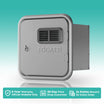
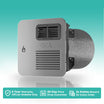
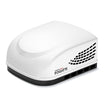
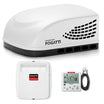
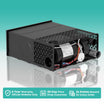
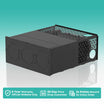
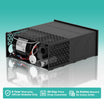
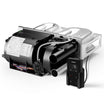
Fogatti 13,500 BTU RV Air Conditioner – Practical choice for smaller rigs, moderate-weather travel, and buyers who want balanced cooling for normal use.
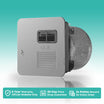
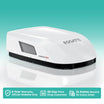
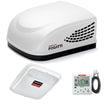
Fogatti 15,000 BTU RV Air Conditioner – Makes more sense when your RV is larger, your layout is ducted, your travel is hotter, or you want stronger pull-down performance.

Importantly, the bigger BTU number shouldn't automatically be read as "much heavier power use." In Fogatti's lineup, compare both cooling capacity and published electrical specs—the larger unit doesn't always bring a major jump in rated running demand.
Browse Fogatti RV Air Conditioners →
FAQ
What is the difference between a 13,500 and 15,000 BTU RV air conditioner?
The main difference is cooling capacity. A 15,000 BTU unit gives you more cooling reserve, while a 13,500 BTU RV air conditioner is often enough for smaller RVs and moderate conditions.
Is a 13,500 BTU RV air conditioner enough for a camper?
Yes, in many cases. A 13.5K unit works well for smaller campers or travel trailers with decent insulation and moderate weather conditions.
Is a 15,000 BTU RV air conditioner worth it?
For many RV owners, yes. A 15K unit is often the better choice for larger RVs, hotter climates, ducted systems, or when faster cooling is needed.
Does a higher BTU RV air conditioner always use more power?
Not necessarily. Some models can deliver higher cooling capacity without a significant increase in rated running power. Always compare the actual electrical specifications of the unit.
Can I replace a 13,500 BTU RV air conditioner with a 15,000 BTU unit?
Often yes, since most RV rooftop air conditioners use a standard 14" x 14" opening. However, compatibility depends on the specific unit, ceiling assembly, and electrical system.
Does ductwork affect RV AC sizing?
Yes. Ducted systems distribute air more evenly but may reduce direct airflow, which is why they often benefit from higher BTU capacity.
Should I only look at BTU when choosing an RV air conditioner?
No. BTU is the starting point, but insulation, sun exposure, humidity, layout, roof heat, and available power all affect real-world performance.
Bottom Line
If your RV is smaller, reasonably insulated, and mostly used in moderate conditions, a 13,500 BTU RV air conditioner may be all you need. But if you camp in serious summer heat, have a larger or ducted interior, or want faster cooldown, a 15,000 BTU RV air conditioner is often the better long-term choice.
The best RV AC size isn't the one with the biggest number. It's the one that fits your RV, your climate, and the way you actually travel.